

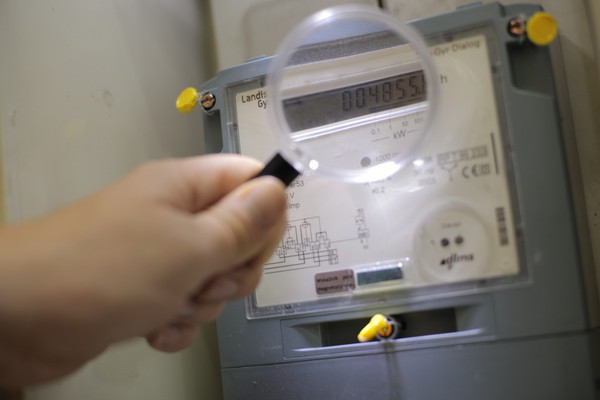
The biggest energy savings in existing buildings can be achieved by implementing modern energy management systems. There are already first projects in Poland based on latest methods for supporting energy management. The road to savings leads through rational use of electricity and heat energy as well as adapting energy consumption to variable costs of its generation at different hours during the day
In the coming years the increasing share of energy produced from renewable sources will be of particular importance. Renewable sources by their nature are not as stable as conventional power plants – for example the ones using coal. By implementing adaptive control algorithms in building automation systems, the owners of buildings in addition to achieving savings become potential suppliers of services targeted at energy companies. By working with partners such as the company Virtual Power Plant (VPP) existing energy consumers are able to obtain significant revenue by participating in programs such as Demand Side Response (DSR).
– The future of Europe’s energy are new business projects which are benefiting energy consumers who will adapt the energy consumption to the momentary ability to produce and deliver energy in a particular grid node. Such customization will be the result of combining intelligent control of energy-intensive processes with market mechanisms and systems managing energy and load in the grid – says Grzegorz Nowaczewski, president of VPP.
In the coming years we can expect to see significant development of intelligent use of energy in buildings (especially in larger facilities), as long as we use the government support programs in favour of Polish innovation and improving energy efficiency.
Rationalisation of media consumption plays an increasingly important role in building management as a result of new higher requirements introduced in the European Directive on the energy performance of buildings , and especially its recast of 2010, which reflected in changes in Polish laws, including construction law and technical conditions which need to be met by buildings and their locations .
Price increases of energy generating resources and the implementation of rationalization of energy consumption procedures by the growing number of facility owners will contribute to the development of intelligent energy management.
People in many countries noticed an increase in the impact which buildings have on energy consumption. Ventilation systems, air conditioning, heating, domestic hot water, lighting are mostly responsible for energy consumption – those are the things on which the user or manager has significant impact.
– Implementation of projects rationalizing energy consumption largely applies only to the state observed. This allows you observe only to the fields where the greatest losses are incurred. The description based on this type of audits seems valuable albeit incomplete and inadequate (including energy and electricity or thermo-modernization). In our understanding it’s only the beginning of real work – says Piotr Bartkiewicz, partner of Go4Energy company, who for several years has been dealing with management systems and issues of energy consumption in buildings. He was responsible for dozens of implementations of sustainable construction projects, energy optimization, commissioning implementation. He is also the author of many national and international scientific publications.
Companies such as VPP and Go4Energy support processes to optimize energy consumption in modern buildings by introducing a system composed of advanced processes based on the latest available simulation, measurement and control tools. The result of VPP and Go4Energy cooperation is to prepare the buildings for the provision of services for energy companies, services such as Demand Side Response, which are performed on a continuous basis adequately to the concluded contracts.
VPP and Go4Energy begin implementation by conducting in-depth analysis of energy consumption so to develop new intelligent building automation control algorithms, which operate using fuzzy logic.
We rely on existing infrastructure located in the building such as measurement, automation and control systems for BMS and BEMS. Additionally, as part of these audits, analysis is carried out to measure the functioning of the building, while taking into account the real needs of its users. The whole is complemented by analysis of the energy and utility costs based on invoices and from the perspective of provision of services such as DSR. In the next steps the numerical model of the building is created and calibrated to the real user data. This creates tools to simulate the effects of future modifications and analysis of the proposed solutions. In justified cases, the authorial GreenFM service is implemented, in which we analyse the consumption of media and technical systems in a given month – adds Piotr Bartkiewicz.
More and more building owners understand the need to go beyond the „paper” analysis and to support energy management in buildings on a more modern process. The effects of such solutions in Polish conditions let us achieve even few dozen percent savings. With the increase in energy prices in the future it may translate into growing savings.
In the future, while aiming to construct buildings of „nearly zero-energy”, the importance of describing the actual state of the building will increase, in particular taking into account user behaviour and work systems.
To achieve synergy in energy management we need to move from working on single units (audits) to systems operations (processes). The presented methodology is an example of such process which uses modern achievements of science and engineering.
– A revolution in the world of energy takes place today in the way that is not clearly visible. However, the weight of these changes is great. For decades changes occurred on the side of energy production while on consumer side we simply employ technologies which consume less electricity. The real revolution occurs when we add intelligent control to devices and consumer installations – which is not only more economical but also adapted to the momentary cost of generation and supply of energy – says Grzegorz Nowaczewski, co-founder of the Virtual Power Plant.